
Addressing women’s health inequality in the West of England
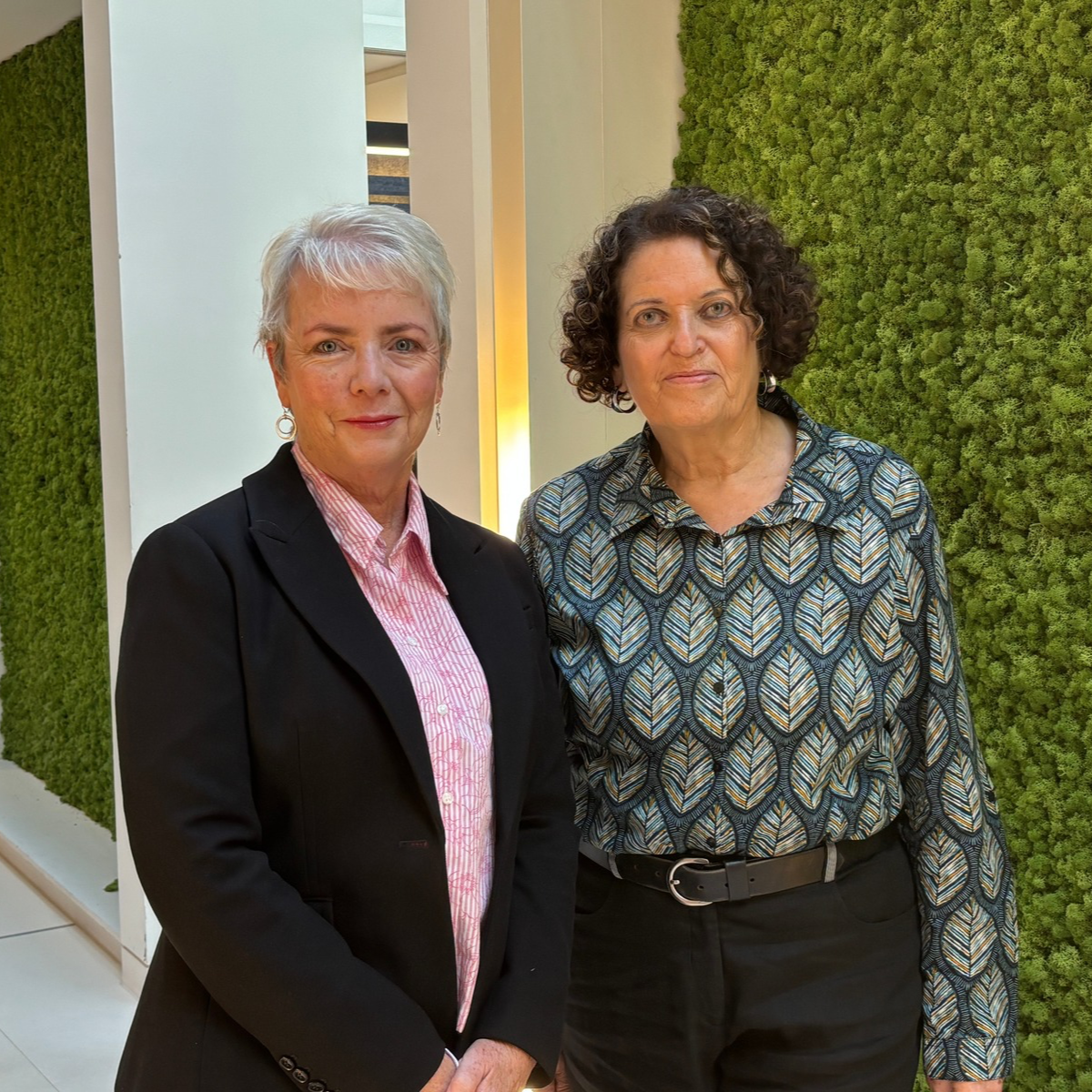
Left to right: Karin Smyth MP, Penny Gaine, Co-Chair of West of England Women’s Commission and Women’s Health Task Group
Gaping health inequalities persist for women across the country, but can the West of England buck the trend and be among the first to tackle the issue?
Today MPs, healthcare professionals and innovators from across our region gathered at the Women’s Health Conference, organised by the West of England Women’s Commission. Karin Smyth, Labour MP for Bristol South and Minister for Health and Social Care, made the keynote address.
The event addressed how to improve health outcomes for women and girls in the region.
Women in the UK spend 24% more time than men in poor health or living with disability. Closing the women’s health gap could add around £36 billion annually to UK GDP by 2040 and create around ten additional healthy days per woman each year.1
In April 2026 the government published The Renewed Women’s Health Strategy for England to address persistent disparities, dismissal of symptoms and regional care backlogs.
It said: “Gaping health inequalities exist, not only between men and women - women spend more years in ill health than men, despite living longer - but also among women. The wealthiest 10% of women live almost 10 years longer than the poorest 10%, while the most deprived spend over a third of their lives in bad health. There are also ethnic differences in outcomes and risk factors”.
Here in the West of England, gender health reflects wider UK trends, with women living longer than men but spending a greater proportion of their lives in poor health or disability.
Penny Gane, Co-Chair of West of England Women’s Commission and its Women’s Health Task Group said:
“For too long women’s health concerns have been sidelined. There are huge gaps in research and treatment for women’s health issues that persist, and women from poorer backgrounds and racially minoritised often have poorer outcomes than others. It is past time that we acted on the information and invested in women’s health. There is a huge will in the West of England to make a difference, so we are confident that this event will be a catalyst for change in the region”.
Karin Smyth, Labour MP for Bristol South and Minister for Health and Social Care said:
“I am very much looking forward to meeting with some extraordinary local women who are working to drive improvements in health outcomes for women in our region. A collaborative approach is important to delivering that change and that collaboration is in evidence in the number of local organisations and stakeholders attending this conference.
“We know that women experiencing issues with their health have too often been overlooked and disrespected and the conditions affecting them under-researched. The Government’s Renewed Women’s Health Strategy for England points the way nationally but doing that work on the ground together with the organisations tasked with delivering that care and investing in that research is vital and I am delighted to see the West of England Women’s Commission taking up the mantle.”
What’s being done in the West of England?
There are a number of initiatives happening across our region to address inequality and improve women’s health, including:
Women’s Health Working Group: A number of initiatives are being progressed across the WECA footprint to support the government’s newly refreshed Women’s Health Strategy for England. Among the ongoing projects is a Women’s Health Working Group bringing together professionals from across the region to develop these plans and support implementation.
Local health services are working towards better meeting the needs of women in a timely way through a shift to neighbourhood-based support and addressing health inequalities experienced by women.
Black Maternity Matters: Inspired by the vision that one day black mothers will no longer be disproportionately in danger during pregnancy and the first year after birth, the Black Maternity Matters project has been running since 2021, developed by Health Innovation West of England in partnership with Black Mothers Matter, Representation Matters and BCohCo.
As part of the Health Innovation Network, Health Innovation West of England has been working collaboratively with regional partners to run Women’s Health workshops, exploring how innovation can support delivery of the Renewed Women’s Health Strategy. Through its patient safety work, the network is also delivering a range of maternity and neonatal improvement initiatives, as well as supporting various innovators with local evaluations of their women’s health solutions, including Anya, Uniwee, Hegenberger Retractor and WID-easy.
